
The Individual Learning Plan in FinlandWay Early Childhood Education
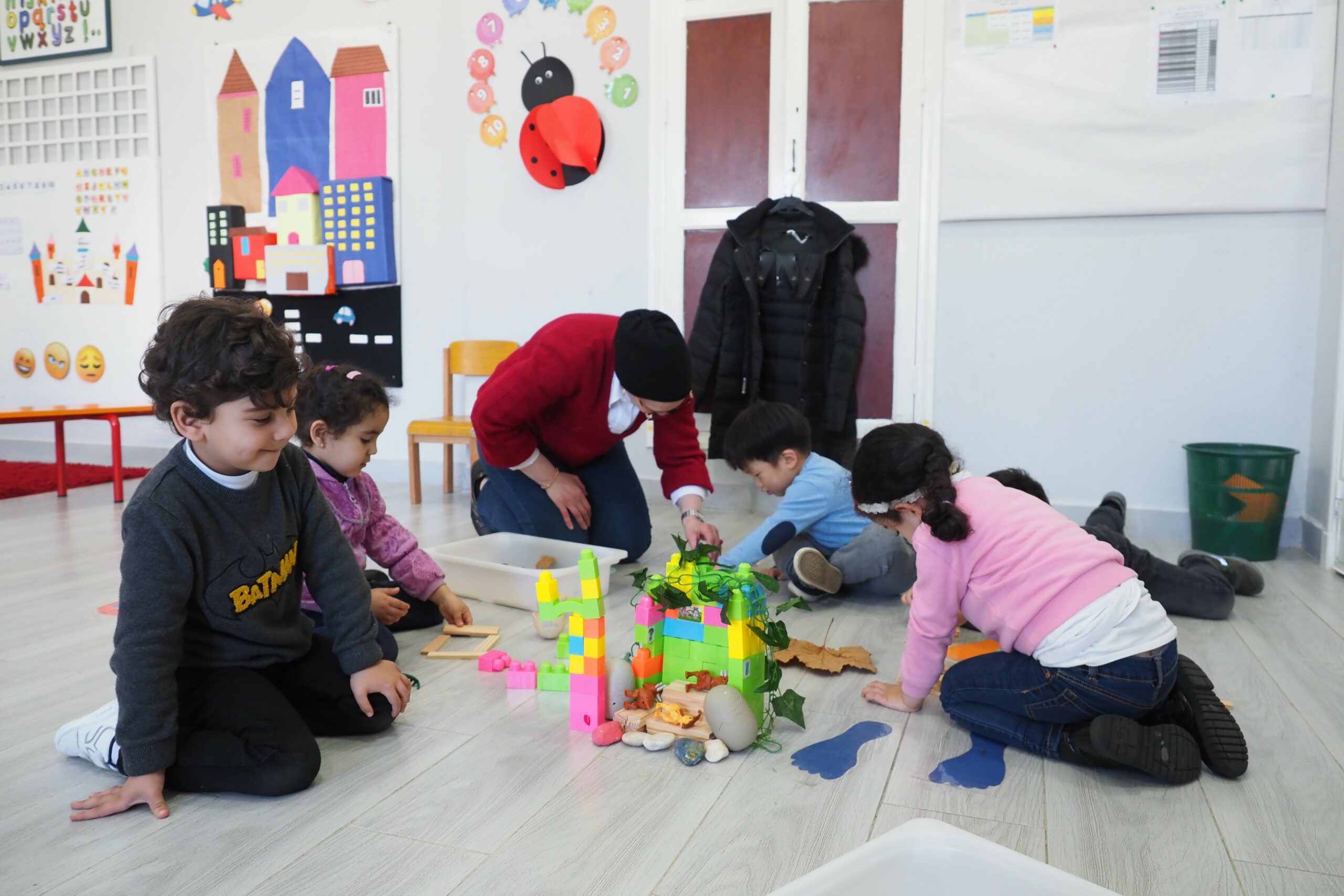
During this course, you will be learning to understand the meaning of individualized and supportive early education.
Following the FinlandWay approach and the Finnish educational philosophy, every child is valued and respected as a person. However, in school young children are participating classes as a group. Therefore teachers might find it challenging to support individual children, and take into account their personal needs, strengths, and positive aspects.
That is why the Finnish Government and Ministry of Education launched a process in 2018 during which teachers were trained to complete individual early learning plans for children’s early childhood education, in cooperation with parents. Based on this, teachers were trained to create an operational plan for class, based on the curriculum and children’s individual ECE plans. In Nordic Star Nurseries by Finlandway, we call these plans Individual Learning Plans (ILP).
The Individual Learning Plan (ILP) is created for each child by their key worker, after the settling-in period, in collaboration with the child’s parents. This online course guides you through the process. In the ILP, children’s individual strengths and needs are written down and key areas of development are identified. The plan helps to focus educator’s attention to the right things and follow the child’s learning development. The plan identifies key actions and and possible support structures to support the child’s individual growth and the document is updated after each FinlandWay learnong period.
When all children in the classroom have their ILPs, those are used to create a Group Learning Plan to support the learning of the whole child group. As FinlandWay activities are social and include a lo of group activities and groupwork, teachers will start adjusting the shared activities so that those can best support the needs of the individuals in that group. After all, if one child needs extra support in fine motor skills or language development, the extra practise is beneficial to other children as well. Group planning in this way also prevents a child from being labeled in the eyes of their peers.
This course consists of three sections, presented below.

The first section, Focusing on the Child, explains why children and their parents should be seen as participants and active agents of early education. In this section, teachers will learn to create an ILP for each child in their class, together with parents.
The section includes three parts:
Child in the center of the education – Where teachers reflect on the child’s role and participation in education and gain insight into supporting the child’s behaviour management and language development.
Using the Individual Learning Plan – Where teachers create the individual plans.
Partnership with parents – Where teachers consider different aspects of parental cooperation and have a discussion with parents using the FinlandWay parental discussion form.

The second section, Planning the Pedagogy, focuses on the Pedagogical Group Plan. It is a yearly plan for pedagogy, practices, interaction, and organization of the learning environment. The plan is updated every time children’s ILP’s are updated so it reflects the current situation in the classroom and teacher’s latest observations of children.
This section contains one part which is described below.
Pedagogical Group Plan
The Pedagogical Group Plan serves as a supportive document for teachers when they plan and implement the curriculum, organize children in small groups, and offer personalized assignments and support for children during the FinlandWay daily lessons. The teachers create the Pedagogical Group Plans in collaboration with the coordinators.
The Pedagogical Group Plan is a tool to be used on daily bases. It serves as a checklist and a reminder for the teacher. It should be extended and updated continuously during the school year. The Pedagogical Group Plan supports the teacher to scaffold the children in their classes; to offer them systematic and ongoing support.

The third section focuses on Pedagogical Reflection, Evaluation, and Development. In this section, teachers complete a yearly evaluation based on their Pedagogical Group Plan. They reflect on their professional development and methods and give collegial feedback.
This section includes three parts:
Evaluation and Reflection – Where the teachers assess their pedagogical process and development and give feedback to their colleagues.
Partnership with Parents 2 – Where teachers organize an evaluation discussion with parents and give an overview of the child’s learning and development to them. The discussion is based on the ILP which is then updated with the latest information. .
Concluding the pedagogical process – Where teachers have individual meetings with the coordinator and reflect on their professional development. In this subsection, there are also additional exercises for facilitating discussion within and between teams of teachers and assistants.
Thank you for reading the introduction! You can access the course content from below.
When you have finished a section, please remember to press ‘Mark complete’ (example picture below) end of each section.

Recent Comments